
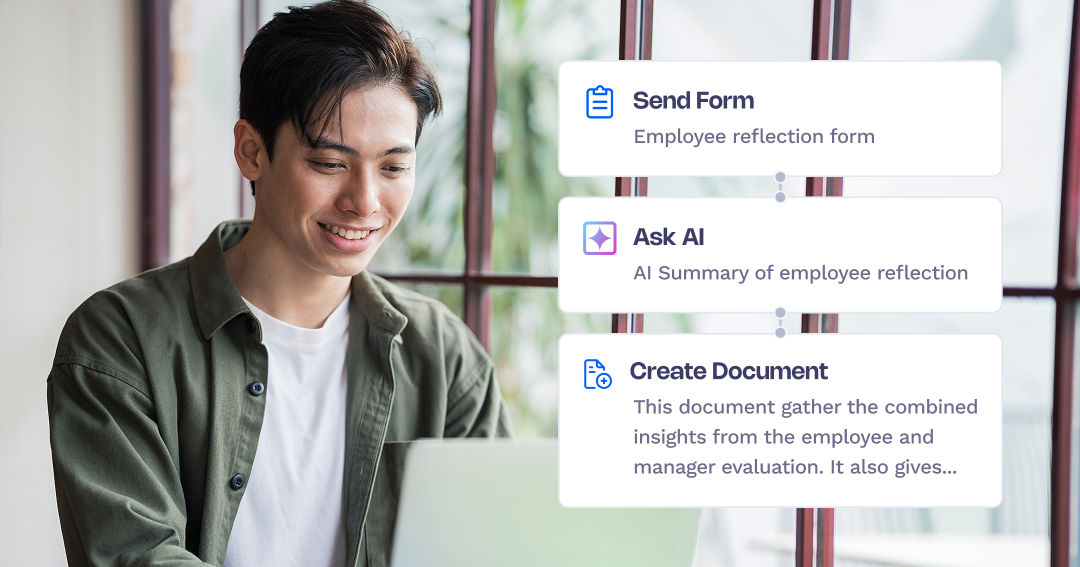
HR teams are under increasing pressure to adopt automation, particularly with AI becoming a central part of 2026 roadmaps. But automation doesn't automatically solve everything.
Many HR workflows were not designed with AI in mind. They were built for manual processes, and automating them as they are often just reinforces poor behaviours or adds complexity. This is where a strong foundation is needed before automation can be truly effective.
In our recent webinar, Matilda Kinghed from Recommended by shared insights into why it's crucial to rethink workflows before introducing automation. By creating solid foundations for processes first, HR teams can make sure that automation works for them rather than complicating existing workflows.
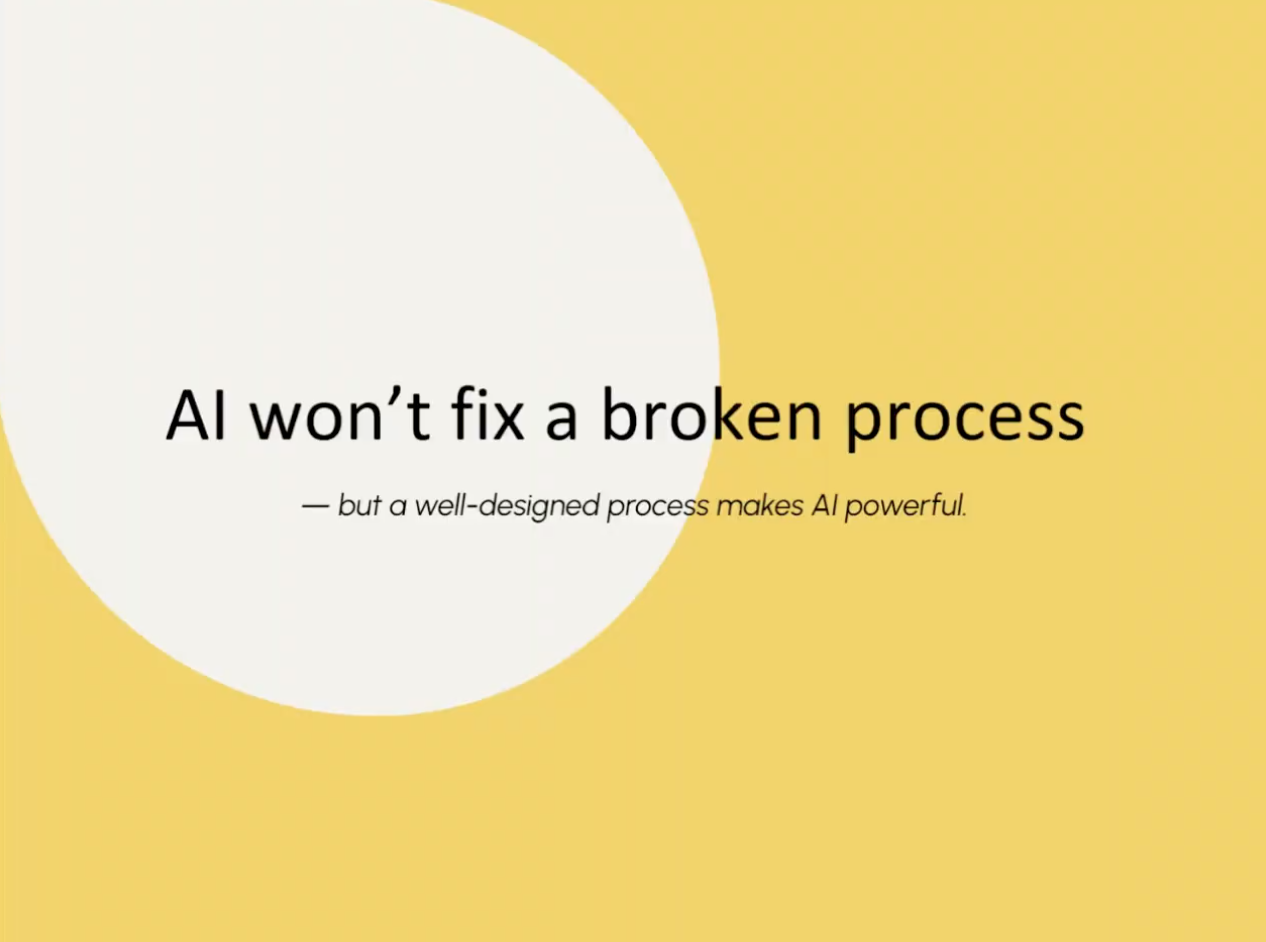
HR teams are often under pressure to adopt AI and automation. But the reality is that many existing HR processes weren’t built for these technologies. Automation can only work effectively when it’s applied to well-structured processes. Otherwise, automation only amplifies the problems that already exist.
For example, the performance review process is one that many organisations struggle with. As Matilda pointed out in the webinar, employees and managers often feel disconnected from the process. “It feels like we’re just checking boxes,” she said, a sentiment that many HR professionals would recognise. The solution isn’t just automation; it’s about creating a process that adds value for everyone involved.
If the process isn’t designed to foster collaboration and clarity, then the use of AI will just speed up the cycle of inefficiency. Therefore, automation must be paired with clear communication and alignment among all stakeholders, ensuring that AI doesn’t just “do” the work but enhances the overall process.
Building an effective workflow starts with defining the purpose of the process. For Matilda, it was important that the performance review process didn’t just check boxes. Instead, the goal was to create a shared roadmap for future development, where both the employee and manager had clear ownership and actionable steps to follow. When the end goal is clear, designing a workflow becomes a more straightforward task.
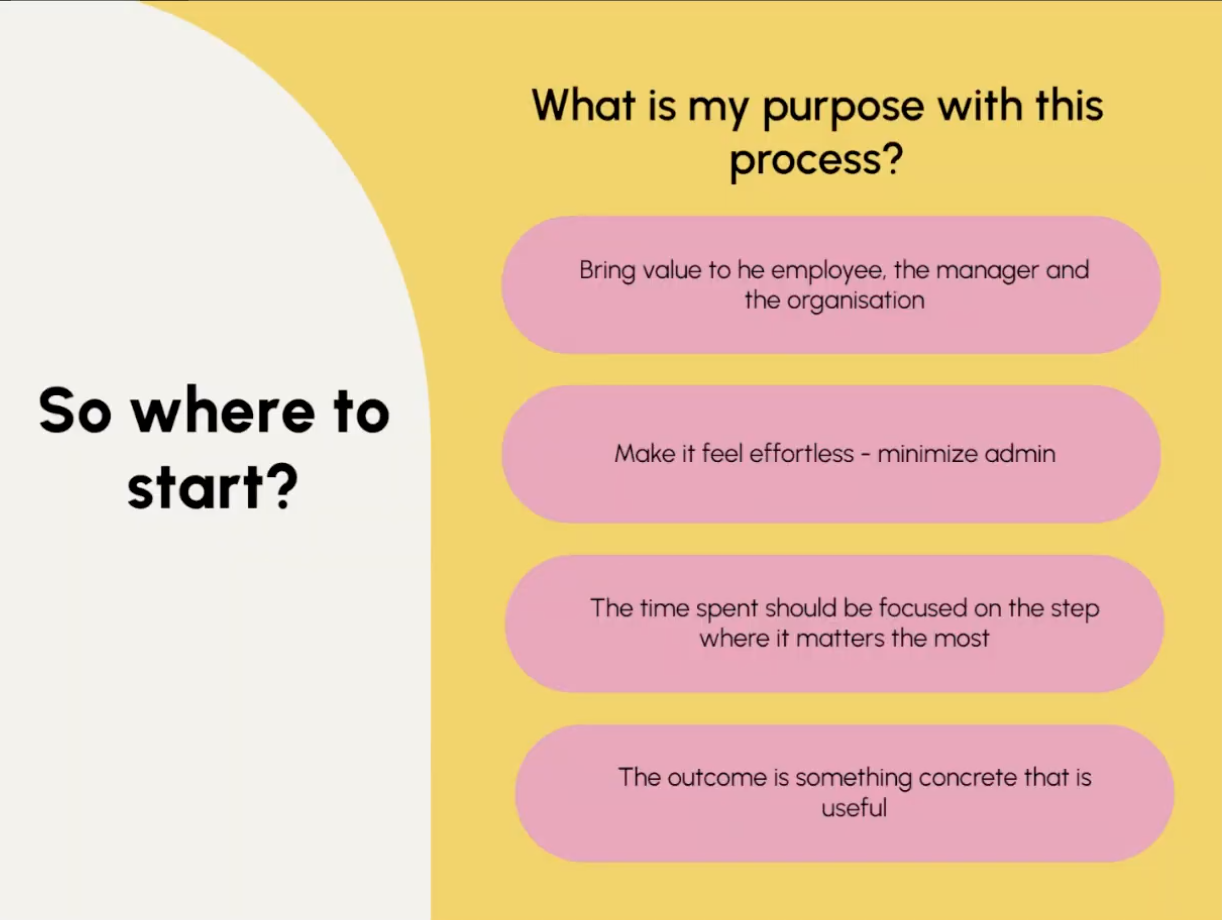
Once the purpose is defined, it’s crucial to make the process simple yet powerful. This is where AI plays a key role, not just by automating repetitive tasks but by enhancing the workflow. For example, instead of sending a generic performance review reminder, AI can personalise the message based on the employee’s role, history, and context, making the experience more relevant.
This personalised touch can go a long way in making the process feel less transactional and more like an opportunity for meaningful feedback and growth. By integrating AI into these workflows thoughtfully, HR teams can ensure that the process remains engaging and tailored to each employee’s needs.
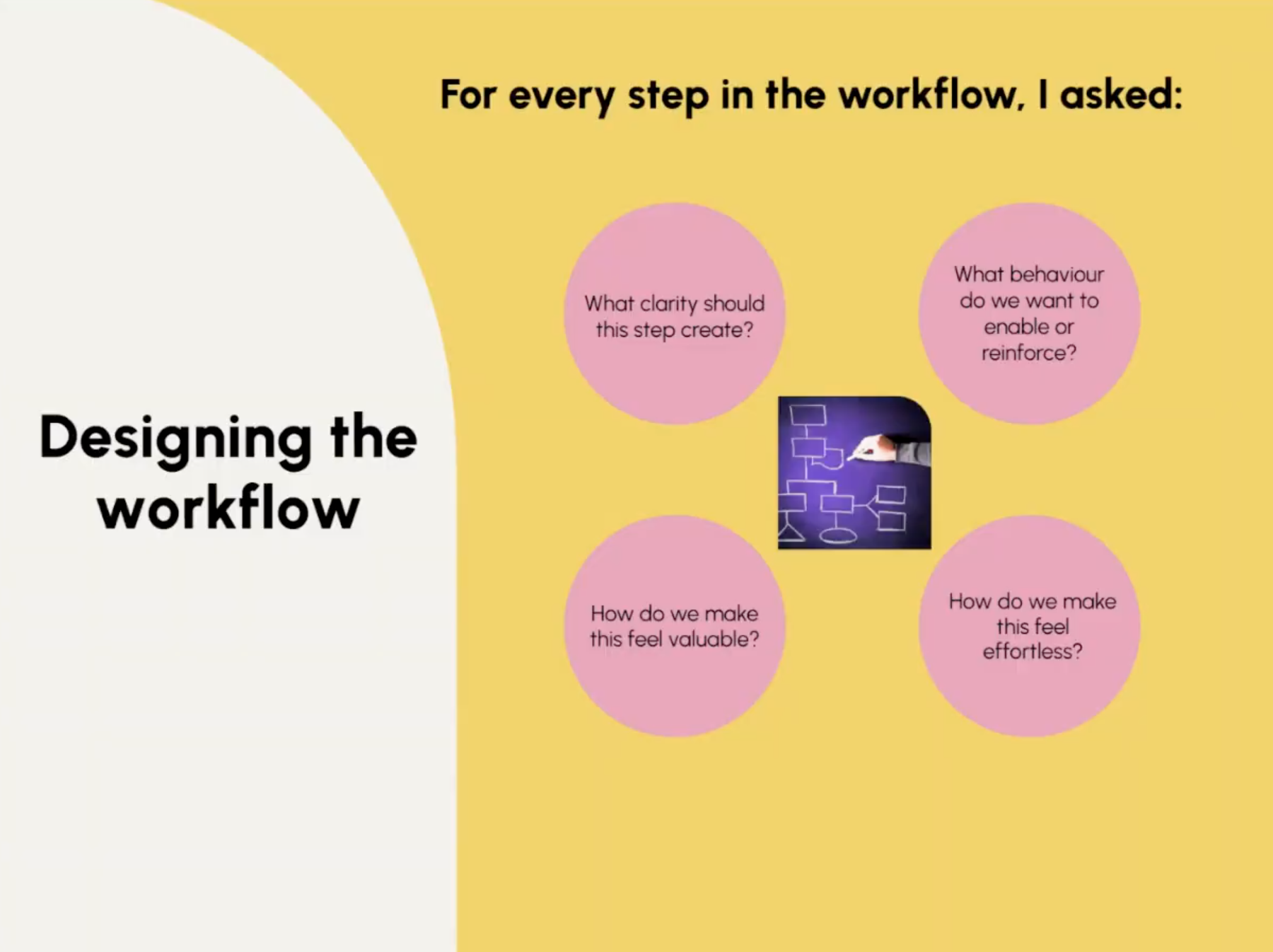
AI workflows have immense potential because they introduce intelligent actions into an otherwise static process. When done right, AI doesn’t just save time; it improves the quality of the process. Rather than simply replacing human tasks, AI can make the process more efficient, accurate, and personalised.
By leveraging AI in HR workflows, teams can reduce the administrative burden and refocus on tasks that require human insight. However, it's important to emphasise that AI should support human decision-making, not replace it. For example, AI can summarise performance data, highlight patterns, and suggest areas of focus, but it’s still up to the manager to lead the conversation and make decisions.
In our session, we explored how small shifts in clarity, culture, and process design can make automation more effective. By defining the purpose of your workflows before introducing automation, you ensure that AI works to improve and streamline your existing processes.
Watch the full webinar here to dive deeper into how you can design effective HR workflows and leverage AI for better results.
If you’re considering automating your HR processes but are unsure where to start, we can help. It’s essential to rethink your processes first, ensuring they’re clear, purposeful, and aligned with your organisational goals before introducing automation. Once your foundation is solid, automation will have the desired impact.
At 50skills, we specialise in helping HR teams build strong, effective workflows and leverage AI to enhance their processes. Whether you need assistance getting started or want support with refining your automation strategy, our team is here to help you streamline and optimise your workflows for greater success. From the initial planning stages to implementation, we’re ready to guide you every step of the way.

.png)
%20-%20Thumbnail%20(1).png)